Our Libraries
Empowering the Next Generation to Lead the Future. A living library puts books, light, a trained librarian and a reading club in one room — so it actually gets used.
What We Mean by a "Living Library"
A room full of books is a start, not a finish. In our experience, a library that has books but no light, or books but no trained librarian, underperforms badly — children can't read after dark, and nobody is there to help them find what they need or keep the collection in order. A living library brings all four pieces together, because each one is weak on its own.
Our 9-Point Library Standard
This is the checklist our team works toward for every library we open or co-manage. It's our own working standard, not an official or ministry-endorsed document — a practical bar for what "done well" looks like.
- 1Books matched to curriculum and reading levels, refreshed as the collection grows
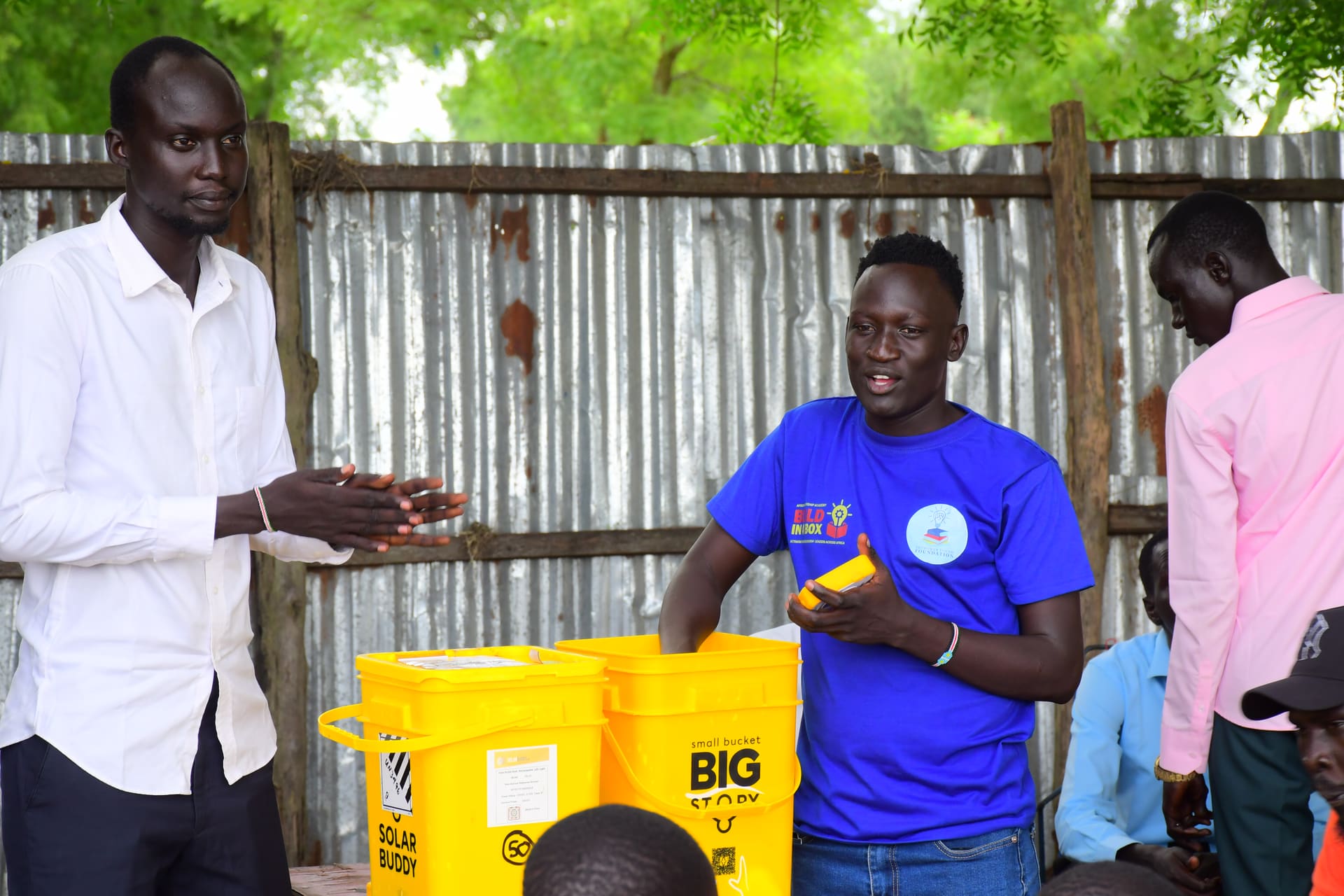
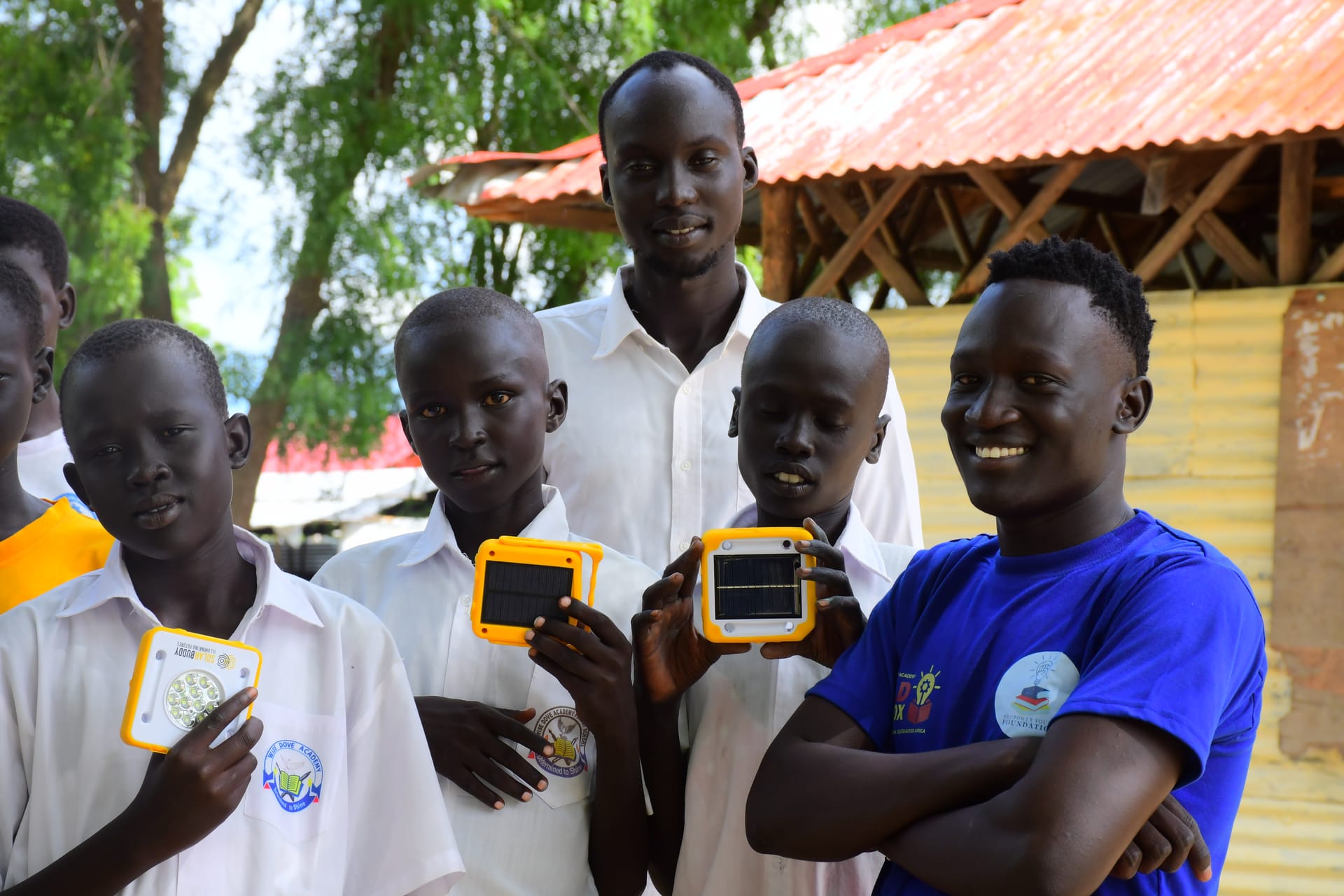
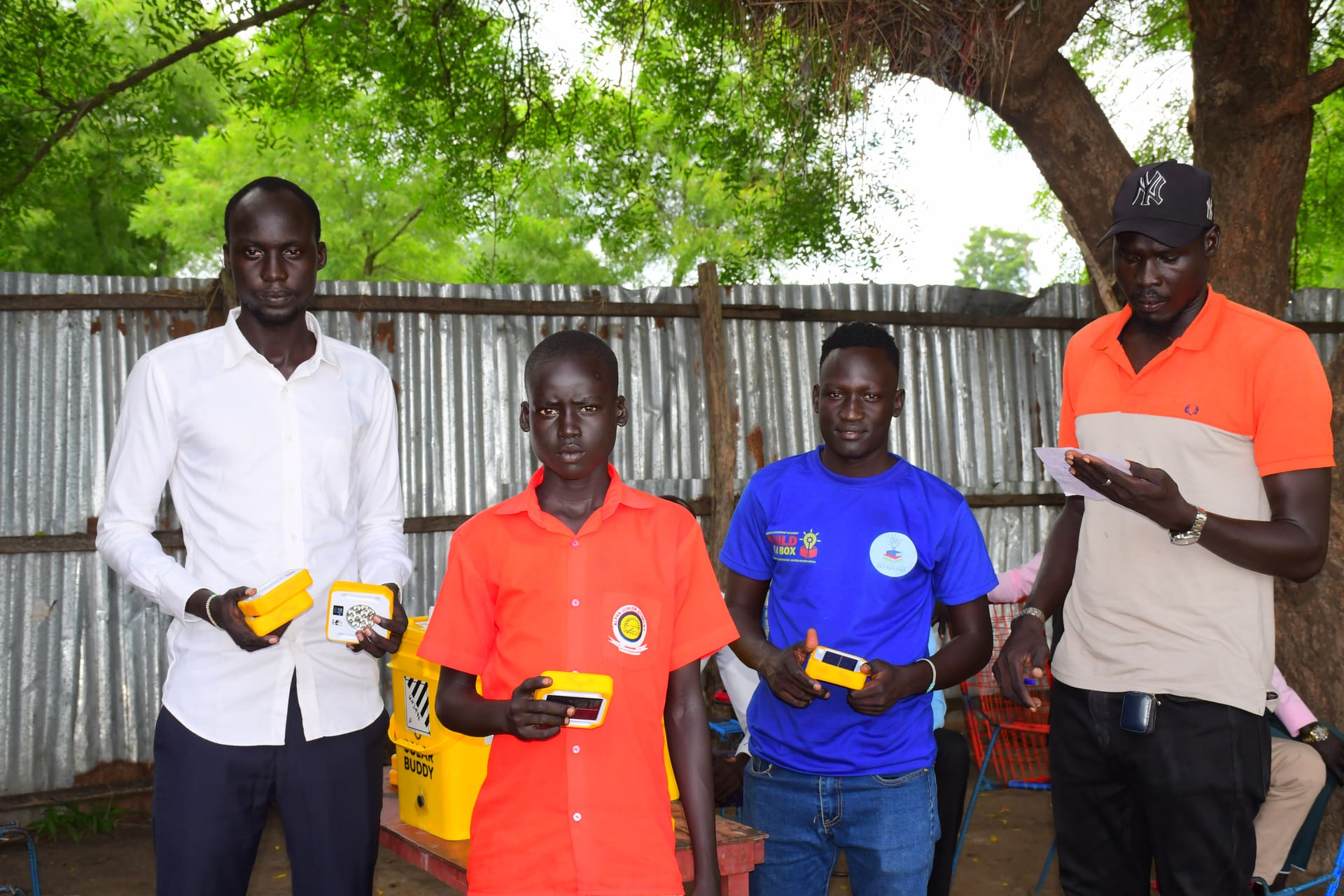
- 2Dependable solar lighting for evening use
- 3A trained, supported librarian on site
- 4A weekly reading club with a regular schedule
- 5A safe, accessible room that students and the community can actually get to
- 6An active school or parent committee backing the library's upkeep
- 7Basic record-keeping of who is using the library and how often
- 8A working relationship with the Ministry of Education
- 9A periodic review so we catch problems and fix them early
Achieved So Far
to 23 institutions in 3 states
co-managed, 200+ weekly users
What We're Working Toward (Goals, Not Yet Achieved)
These are targets from our Theory of Change — outcomes we expect as more libraries meet our full standard, not results we've already measured.
- Library use up 20%+ at libraries meeting the full standard (goal)
- Stronger reading gains among regular reading-club attendees (goal)
- 25 school libraries meeting the standard, our commitment with the Ministry of Education (goal)
Our Libraries, In Pictures
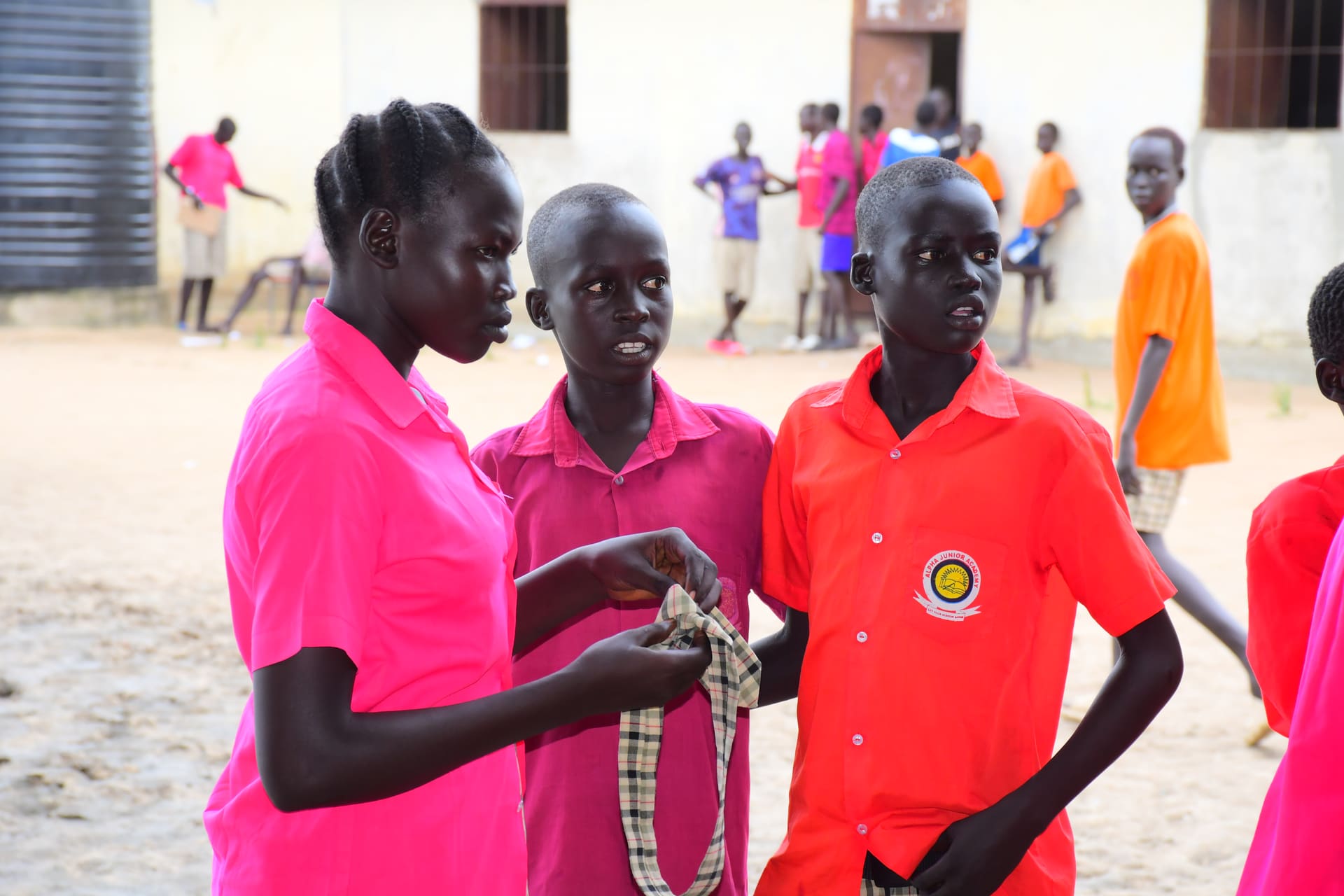
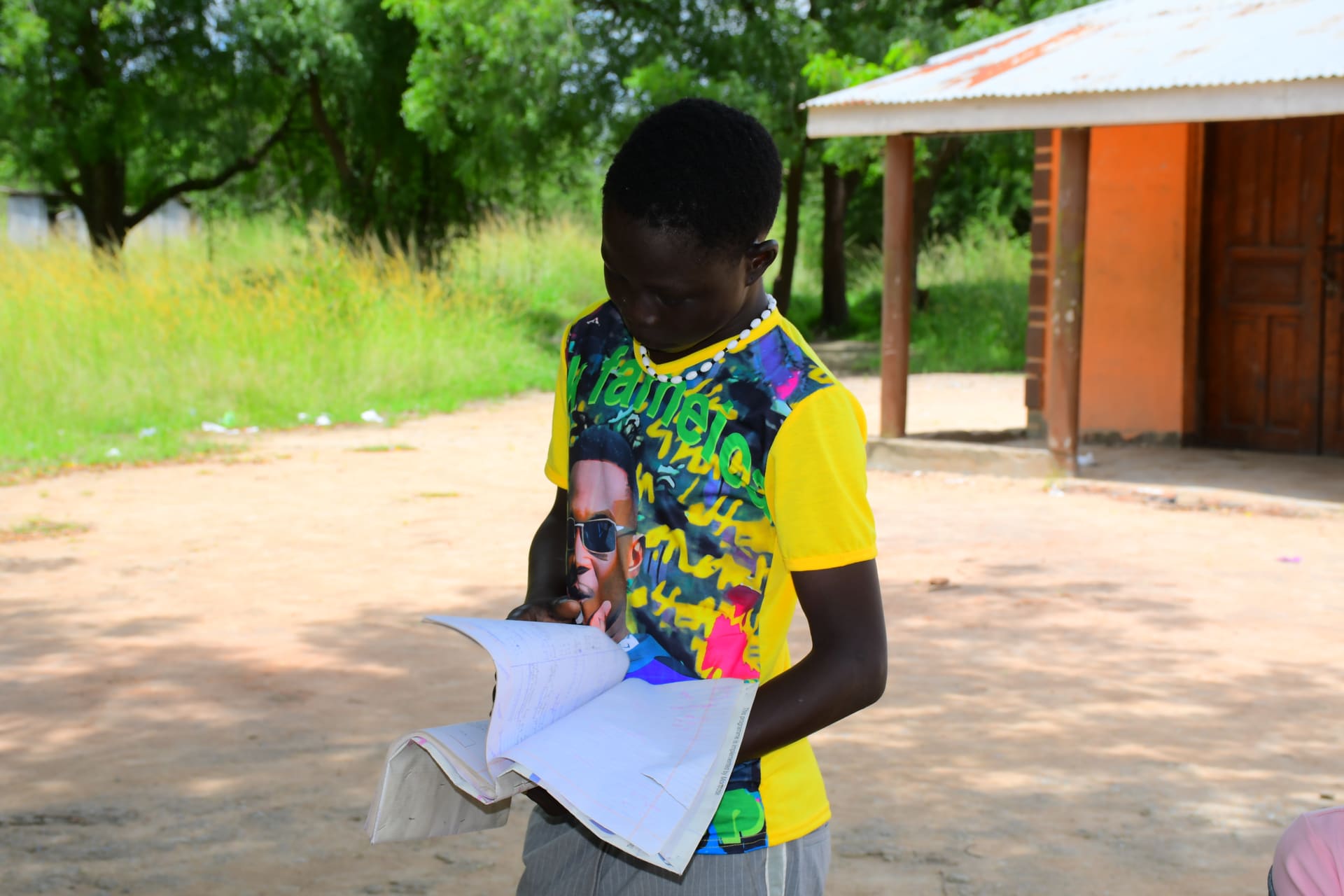
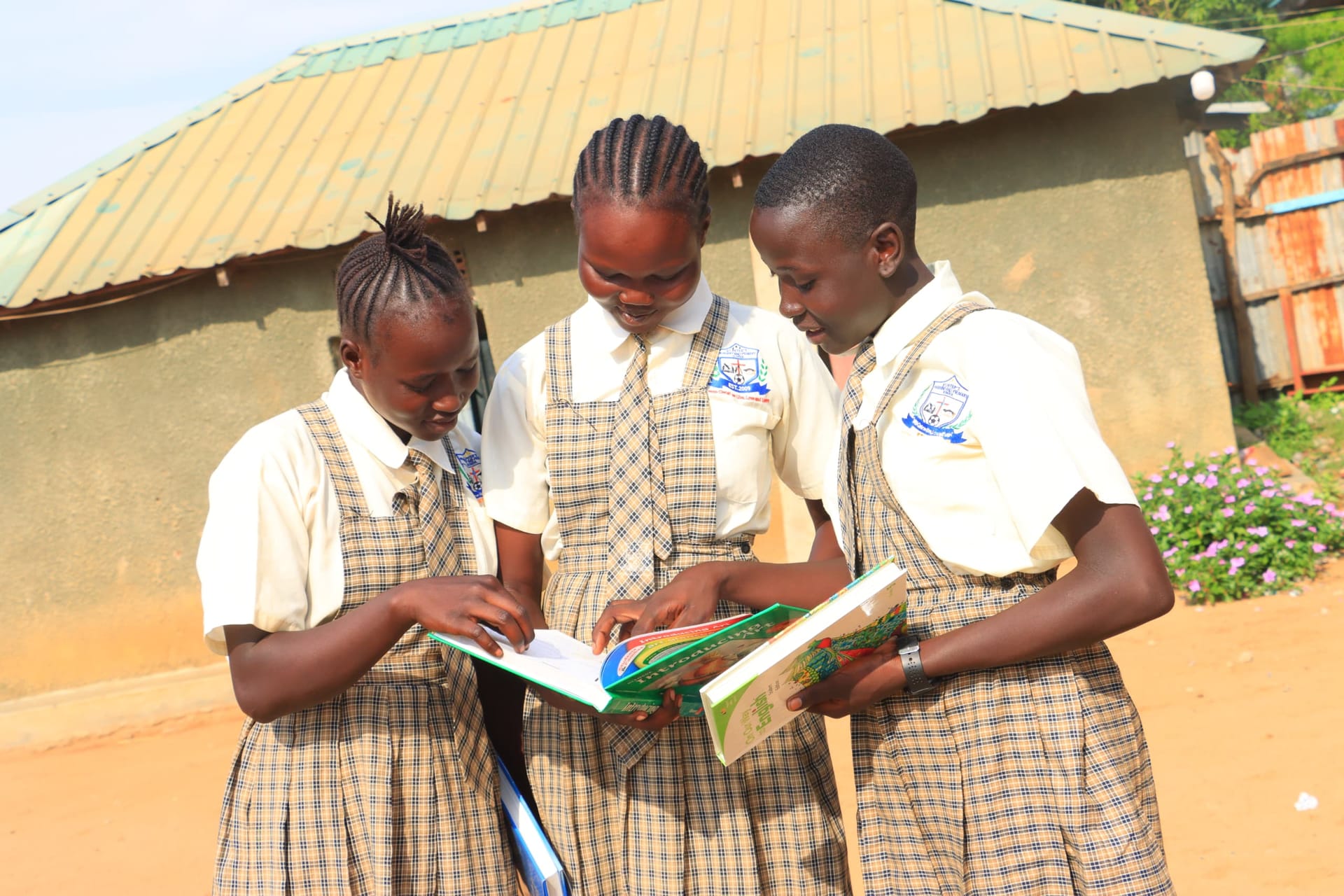
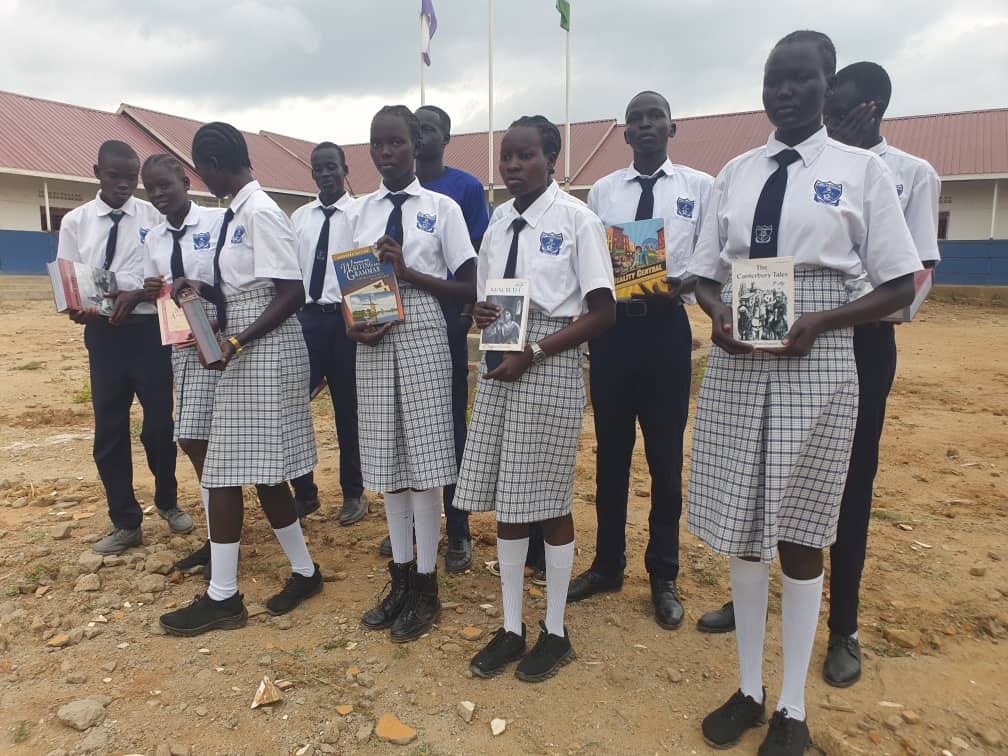
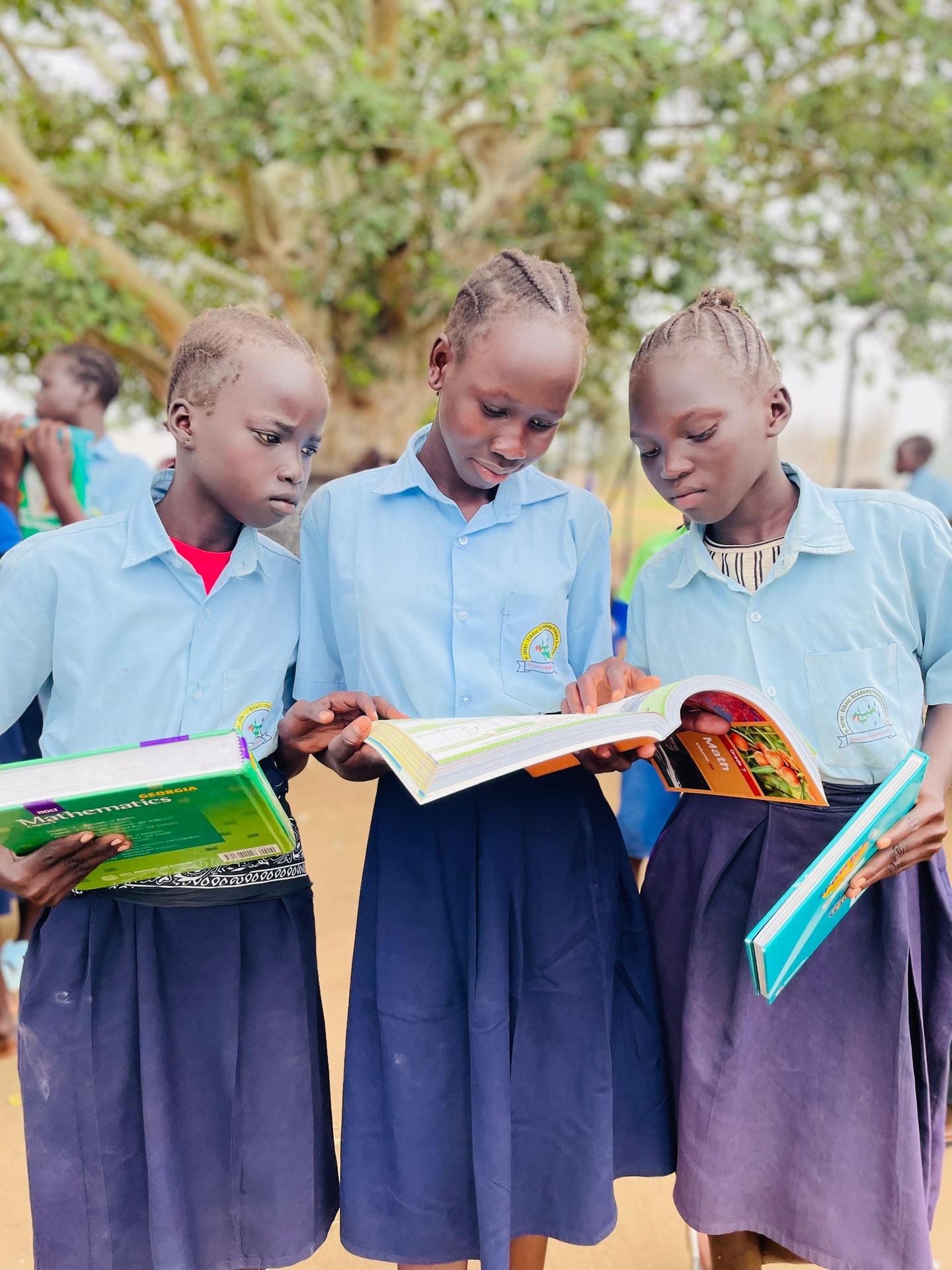
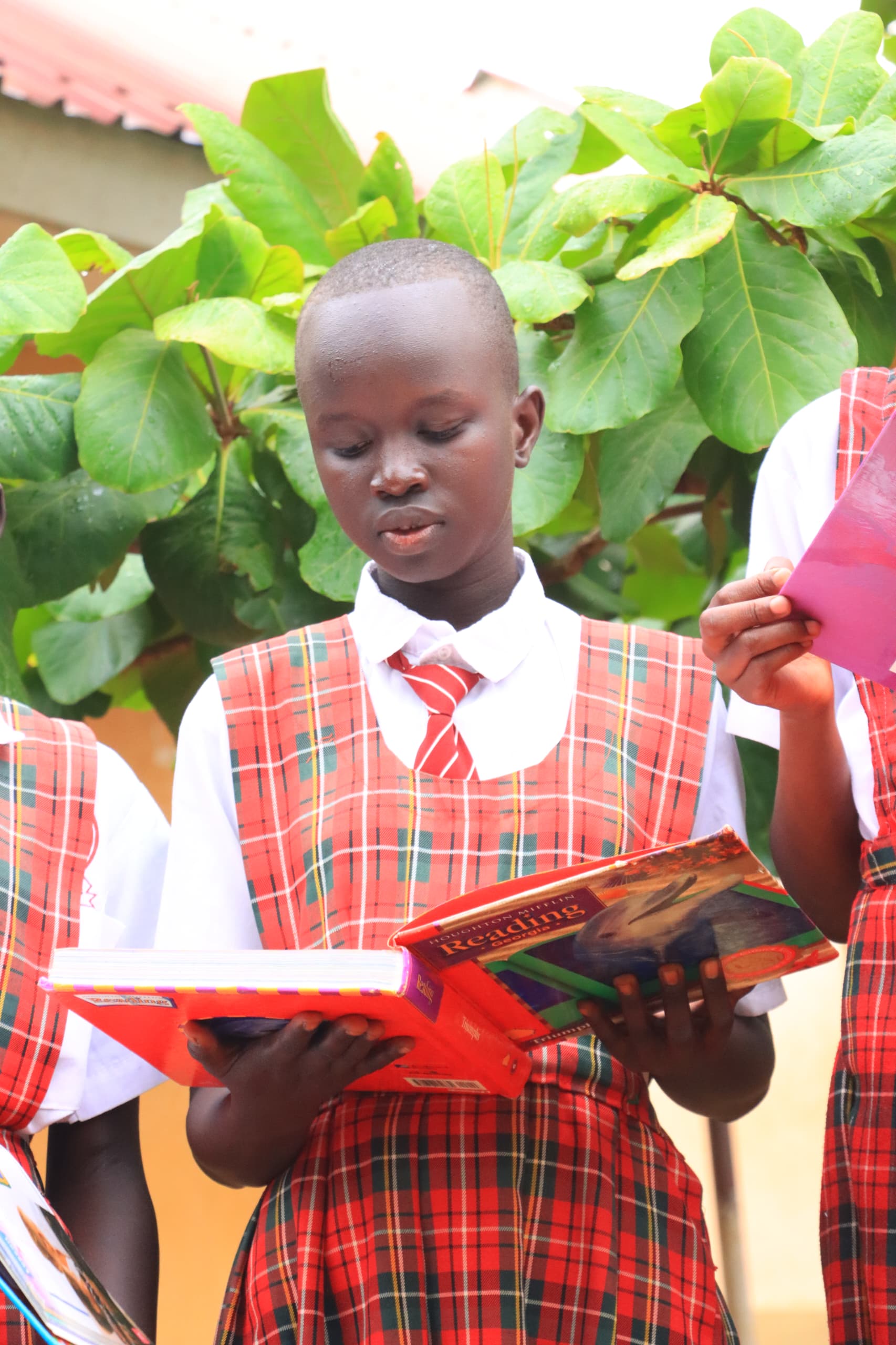
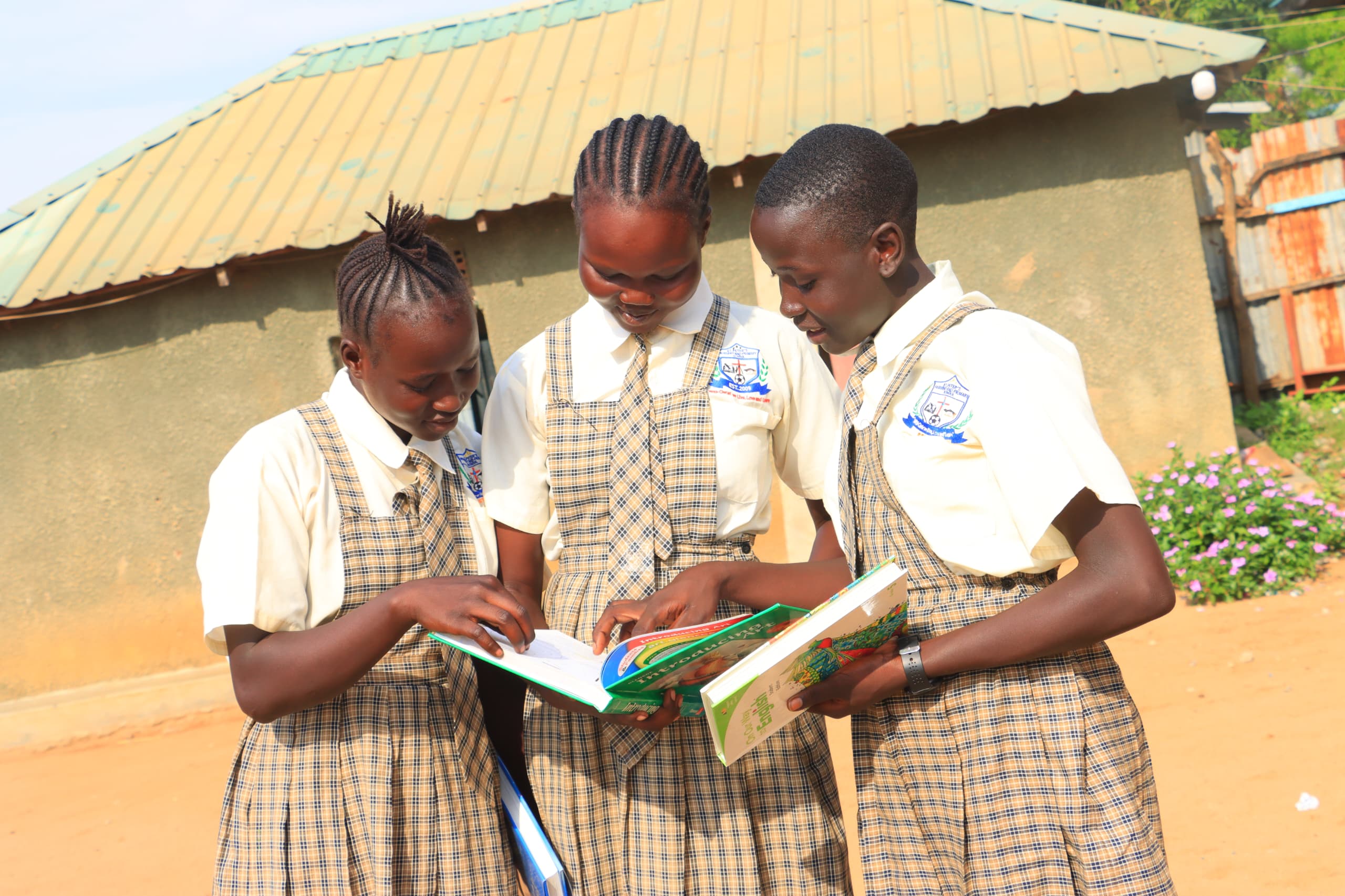
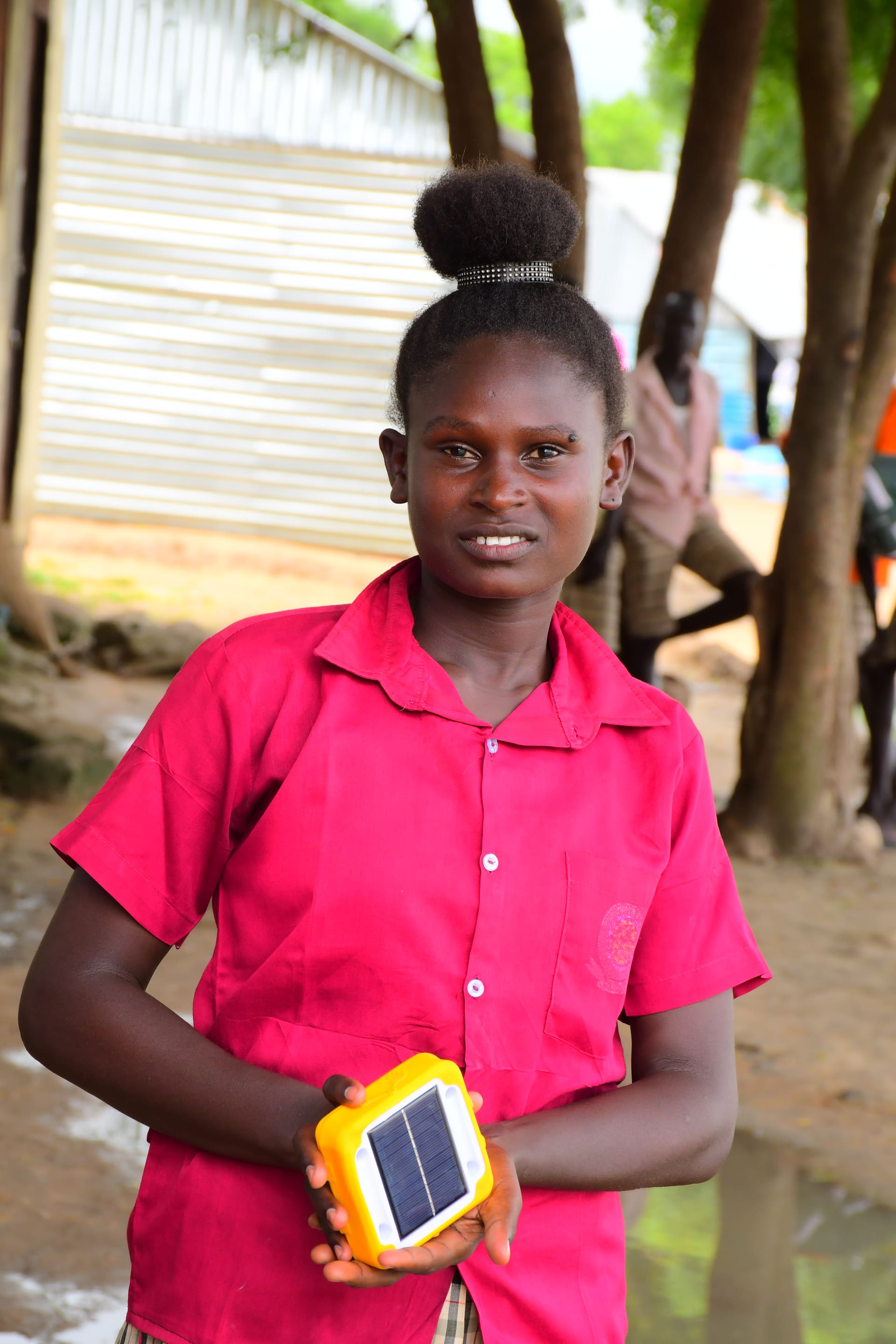
Real moments from our library sites — students with their books, solar lights in use, and the reading clubs that bring it all together.
Help Us Build More
Voices From Our Libraries
What teachers and student librarians say about what the libraries have changed.
“With the donation of over 600 books, we were able to establish our school's first library. Since then, we have seen a remarkable transformation.”
“With the books we received, students are more active, they ask questions, and they are beginning to engage in their own learning.”
“We did not have enough textbooks, and this made it hard for me and other teachers to explain lessons clearly.”
“These books have become our main source of knowledge, helping us improve our understanding in subjects like Biology, Chemistry, and Geography.”
“As a student librarian, I help my fellow students access books, read ahead, and participate actively in class.”