Our Theory of Change
How our work leads to lasting change
IF young people can reach a library that works, with books, light and a trained librarian, AND gain the mindset, skills and support to lead and to build trust across divides, THEN they will read better, create opportunities for themselves and their communities, and choose peace.
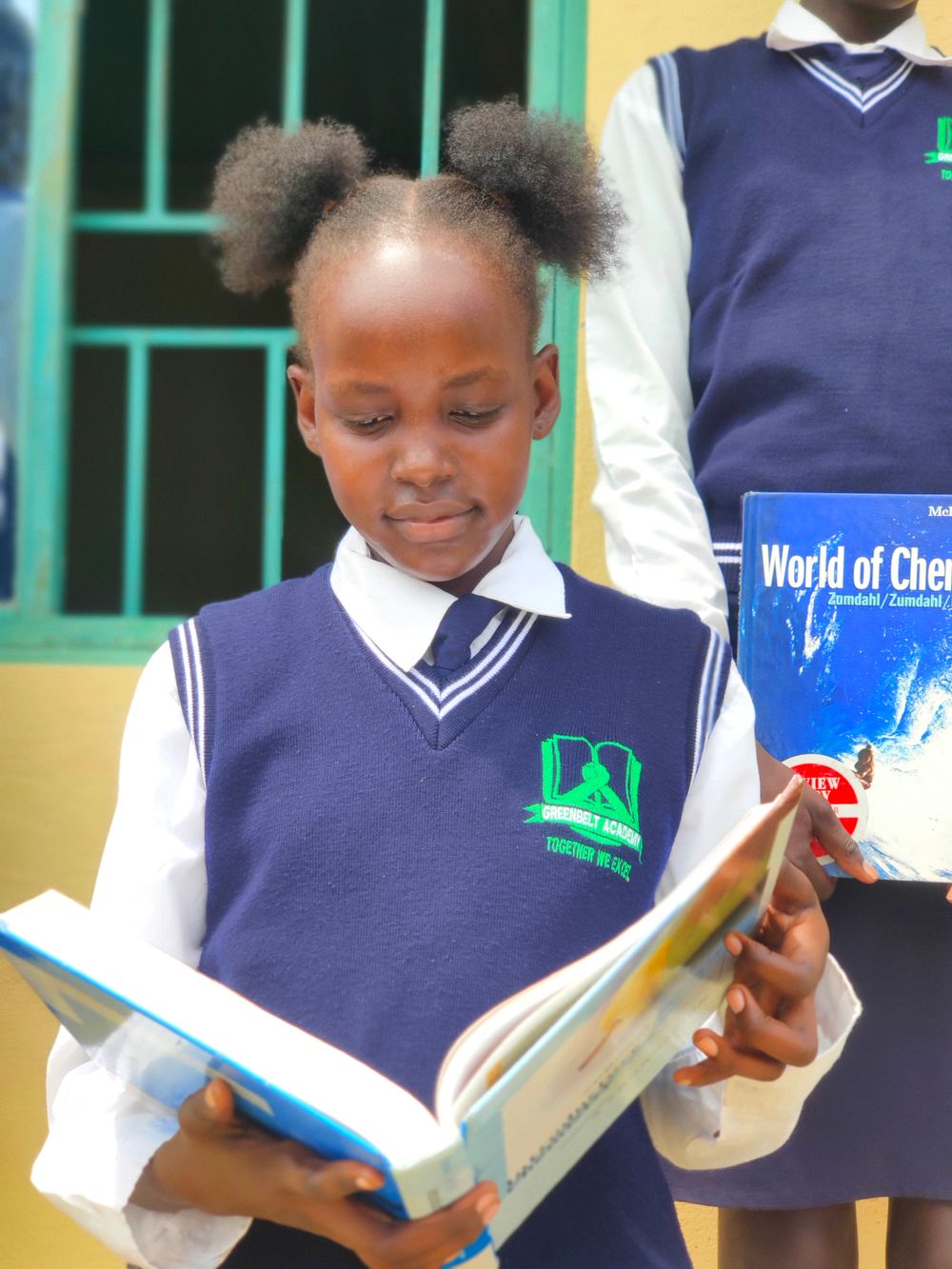
The problem
No books, no light, few pathways, low trust.
2.8 million children are out of school (UNICEF).
About a third of adults can read and write (34.5%, UNESCO estimate).
Only 5.4% of people have electricity (World Bank, 2024).
South Sudan has no national public or school library service.
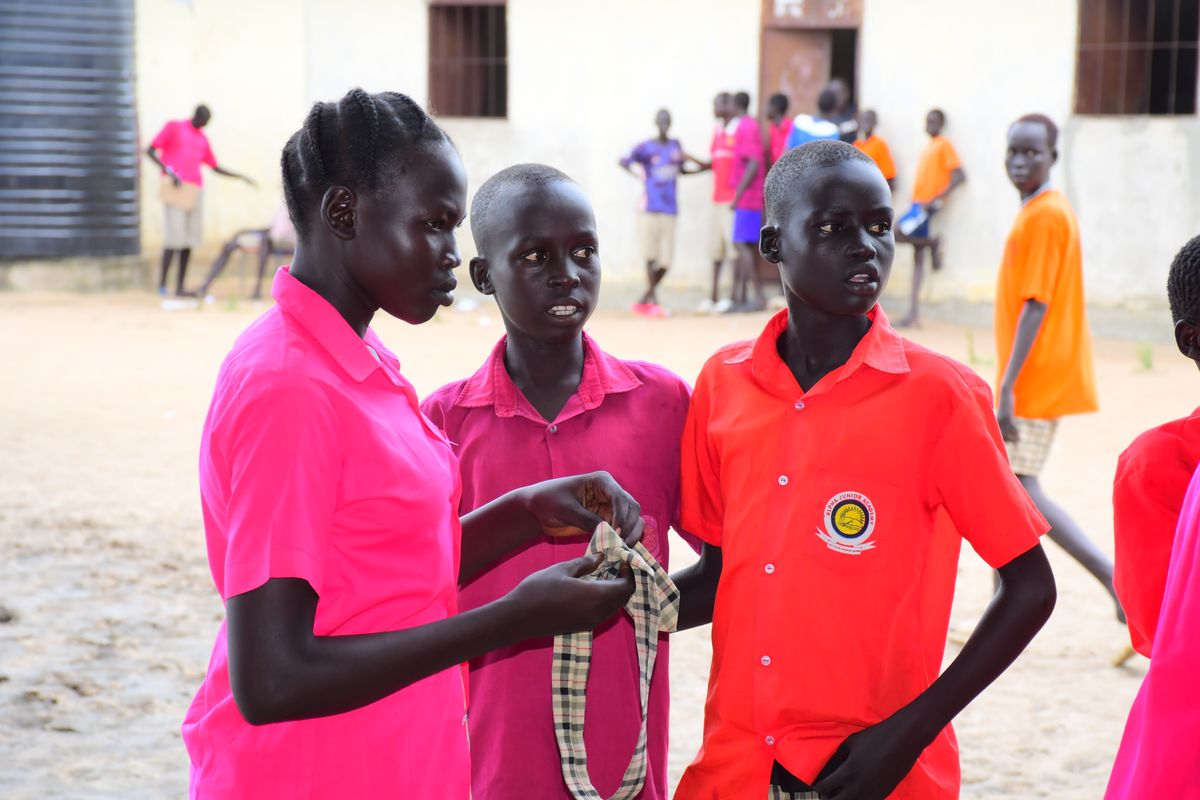
Three pathways, one platform
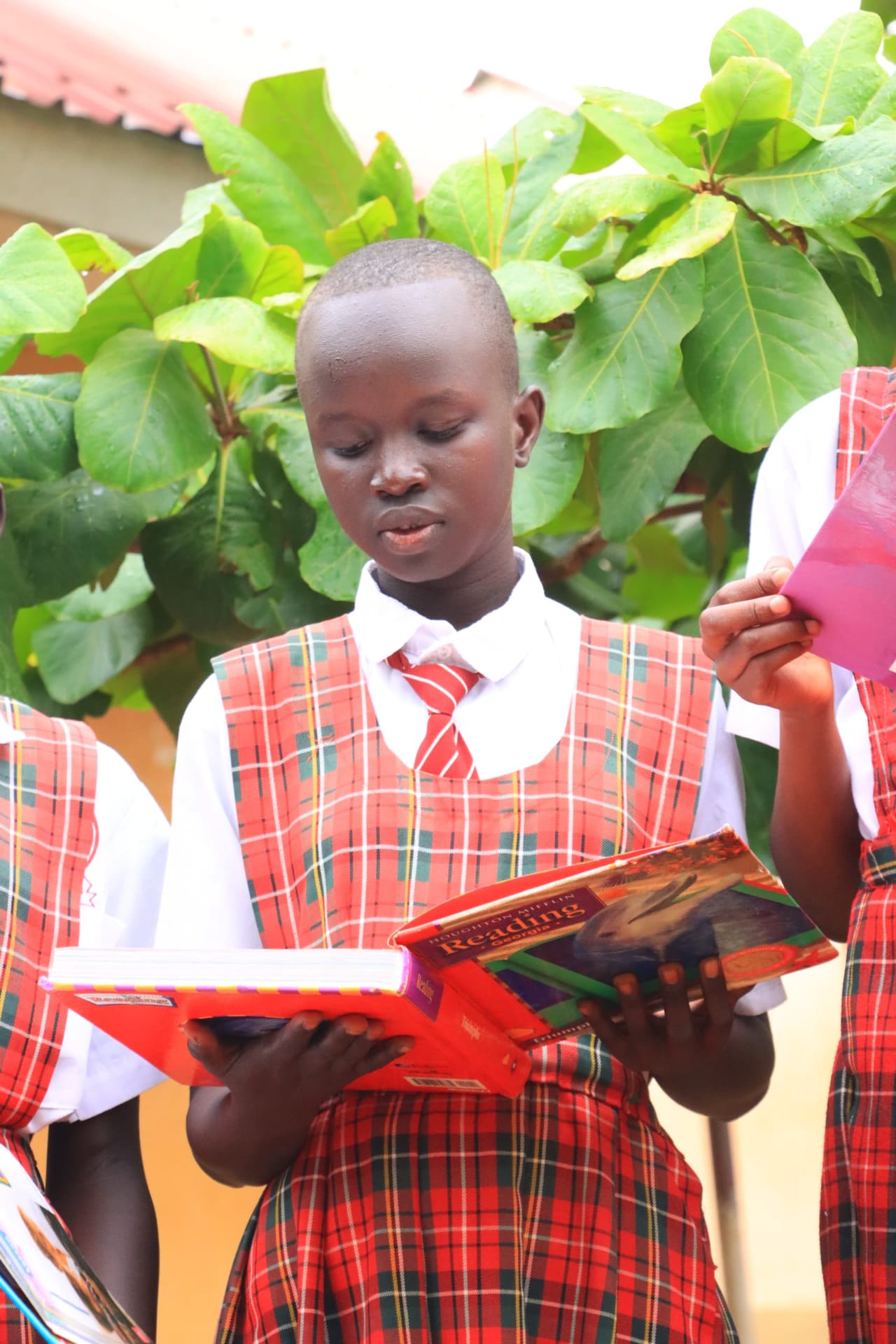
READ
Libraries
What we do
Books and solar light; libraries set up to a 9-point standard; librarians trained; reading clubs
What we deliver
20 libraries to standard; librarians and parent/school committees trained; weekly reading clubs
What changes for young people
Students read more often and better; study after dark; library use up 20%+
Long-term change
Learners read well enough to succeed in school
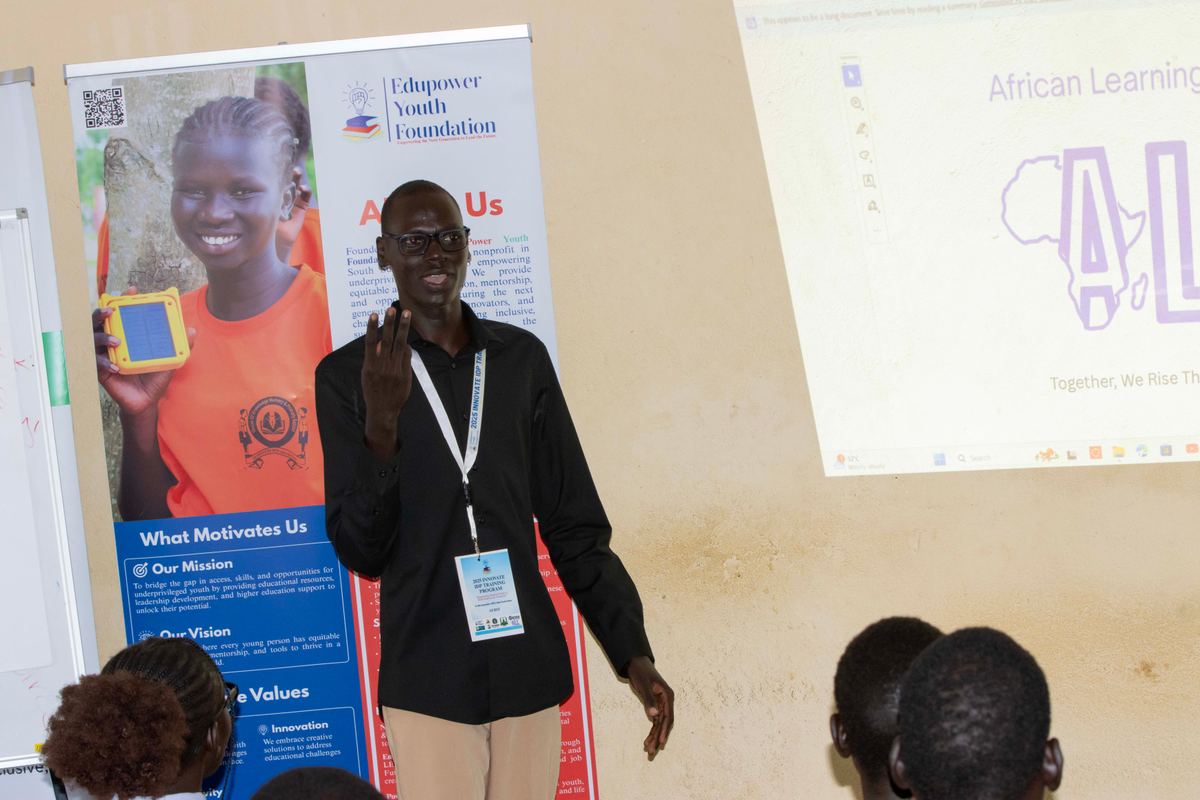
LEAD
Entrepreneurial Leadership Program
What we do
Spark clubs; Build (online + pitch camp); Launch (mentored fellowship)
What we deliver
Youth complete each stage; tested venture plans; scholarship applications
What changes for young people
Entrepreneurial mindset and confidence; ventures active after 6 months; places in further study
Long-term change
Young people create opportunities and lead
PEACE
Peace Across Generations
What we do
Peace clubs and community circles; Generations in Conversation; Peace Talks; Youth Creative Peace
What we deliver
Clubs and circles meet; dialogues recorded; youth peace actions
What changes for young people
More trust across communities; peaceful disagreement; youth-led peace actions
Long-term change
Trust grows across generations and communities
Young people in South Sudan read, lead and choose peace.
What makes it work
- One platform (both flagships run in our libraries)
- Partners
- Inclusion and safety (girls, rural and displaced youth; safeguarding)
- Data and learning (baselines, termly checks, annual review)
- Fair, steady funding
Assumptions we test
- Schools keep a room and a trained librarian
- The Ministry supports and monitors libraries
- Books match the curriculum and reading levels
- Young people can attend
- Sites stay safe and reachable
- Funding arrives for core costs
We contribute to change alongside schools, families, government and partners; we do not claim it alone. We review this theory of change every year.